
Where rocks meet reason
A copper district is an argument made of evidence. This is that evidence, explained in plain language.
Understanding the geology is understanding the opportunity
Sediment-hosted copper systems are not read from a single drill hole. They are read from stratigraphy, structure, mineralogy and alteration — together, across a district.
The Learning Centre sets out how those elements work at Koocanusa, so that the project can be judged on the same evidence our own geologists use.

01 · Geology
Purcell Basin Copper Beds
An ancient basin, a billion years of quiet accumulation, and the fluids that turned permeable sand into copper-bearing rock.
Read the chapter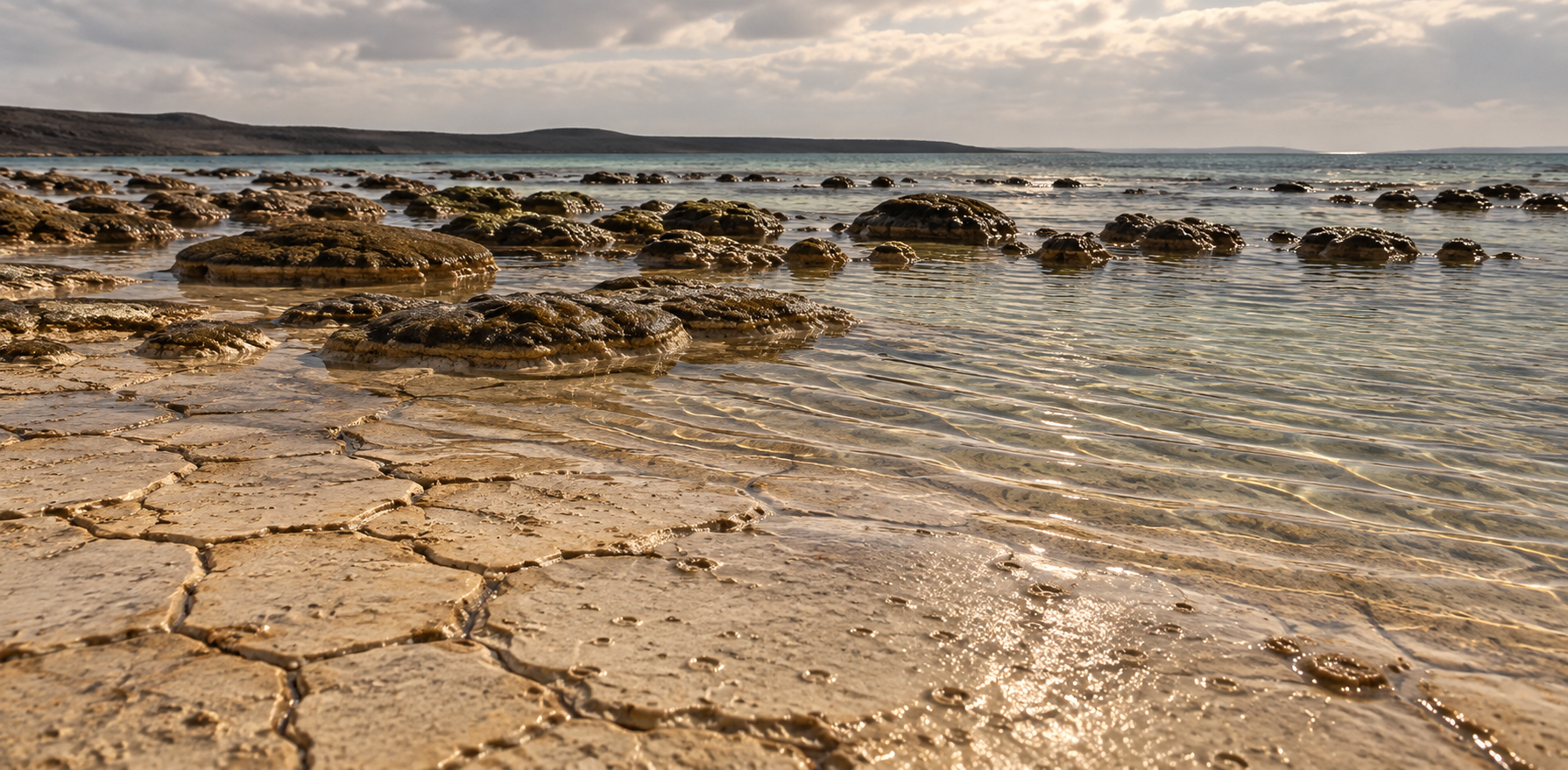
02 · Mineralogy
Copper-Bearing Lithologies
Chalcopyrite, bornite and chalcocite in the Creston and Sheppard formations — and the sedimentary features that record the environment they formed in.
Read the chapter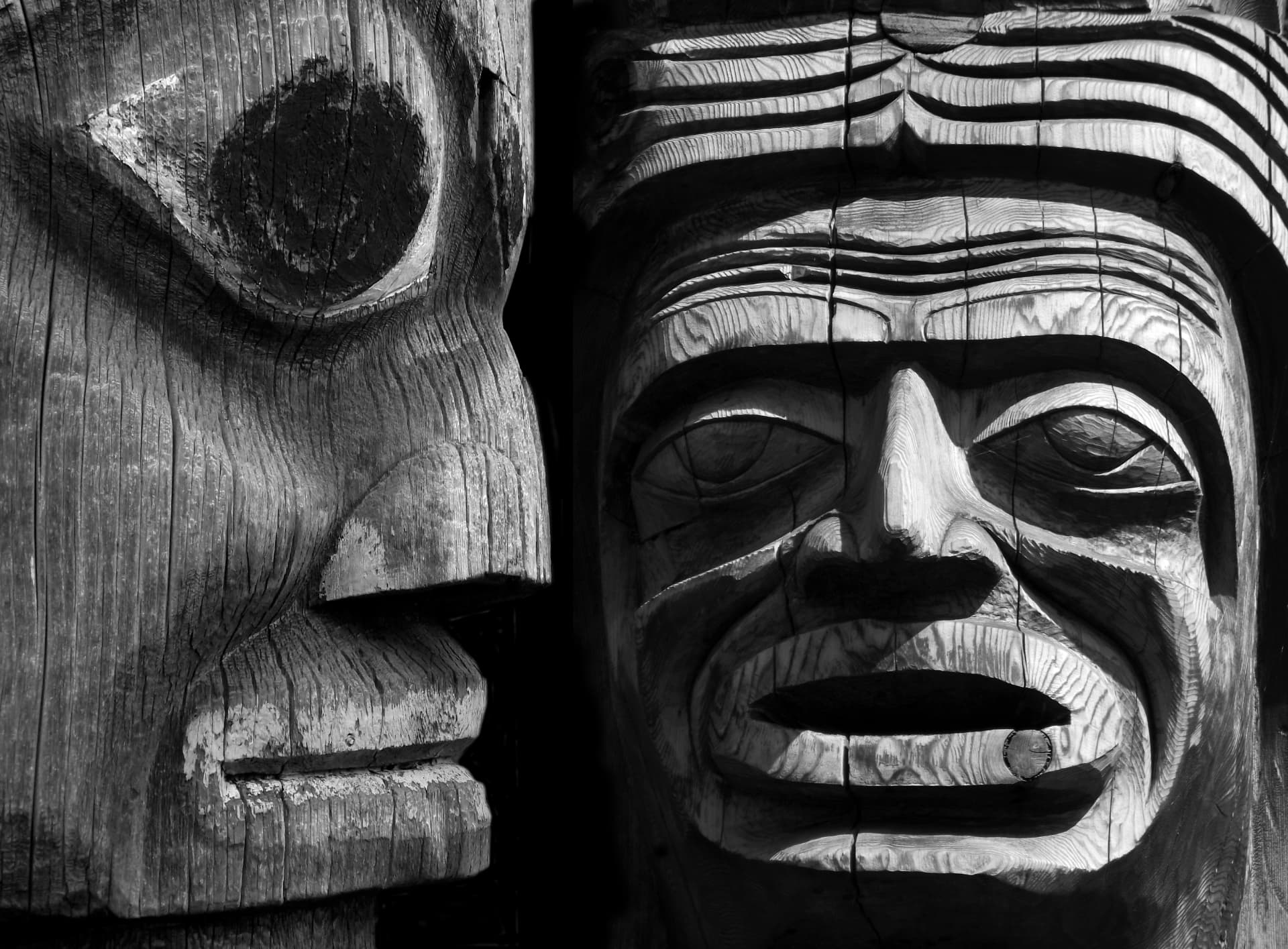
03 · History & Context
First Nations Engagement
The history of engagement in British Columbia, UNDRIP, and what meaningful relationships require of an exploration company.
Read the chapterA copper district is an argument made of evidence
Sediment-hosted copper systems are read from stratigraphy, structure, mineralogy and alteration — together, across a district.
Five ingredients of a sediment-hosted copper district
A useful shorthand for reading any sedimentary copper system, including this one.